
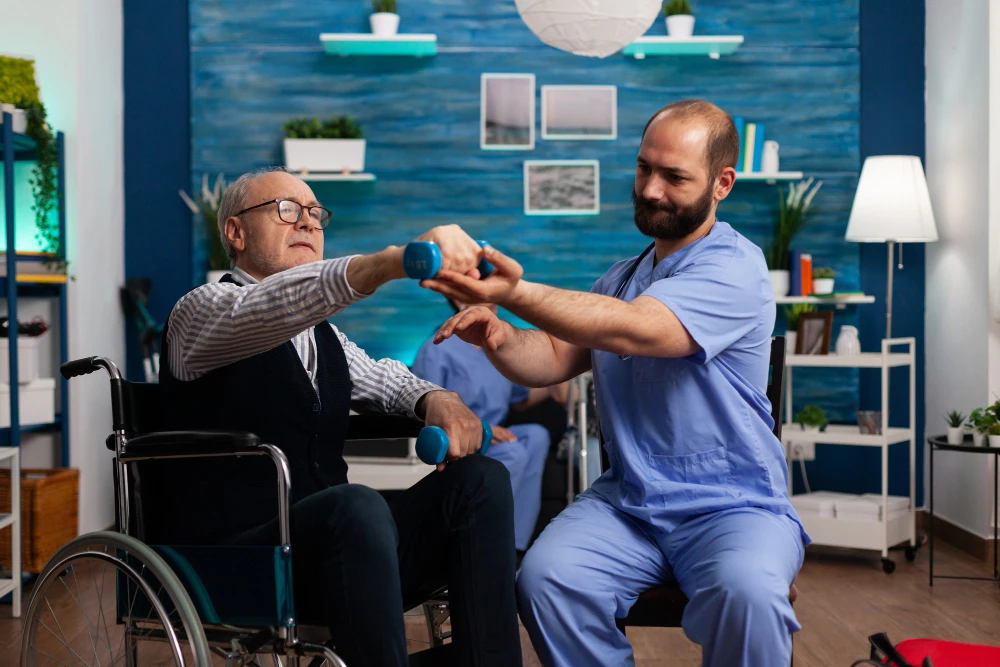
Recovering from an injury, surgery, or a medical condition often requires regular physiotherapy to restore strength, mobility, and independence. While visiting a clinic works well for many people, it’s not always the most practical option. Travelling through Dubai traffic, managing mobility challenges, or taking time away from work and family can make attending regular appointments difficult.
This is why professional home physiotherapy services in Dubai have become an increasingly popular choice. Instead of travelling to a clinic, qualified physiotherapists provide personalised treatment in the comfort of your home, allowing patients to focus on recovery in a familiar environment.
But who benefits the most from home physiotherapy? Let’s explore the individuals who can gain the greatest advantages from this convenient and patient-focused approach to rehabilitation.
What Is Home Physiotherapy?
Home physiotherapy involves a licensed physiotherapist visiting a patient’s home to assess their condition, develop a personalised treatment plan, and provide rehabilitation sessions based on their recovery goals.
Treatment may include:
- Pain management techniques
- Strengthening exercises
- Mobility training
- Balance and coordination exercises
- Stretching and flexibility programmes
- Education on posture and movement
Receiving treatment at home allows therapy to be tailored to both the patient’s condition and their living environment.
1. Older Adults Looking to Stay Independent
As people age, reduced strength, joint stiffness, balance problems, and mobility challenges can make everyday activities more difficult.
Older adults often benefit from home physiotherapy because treatment focuses on improving movement while reducing the risk of falls.
A physiotherapist may help improve:
- Walking confidence
- Balance
- Joint flexibility
- Muscle strength
- Ability to perform daily activities safely
Receiving care at home also eliminates the physical strain of travelling to multiple appointments.
2. Patients Recovering After Surgery
Recovery after surgery often requires structured rehabilitation to restore normal movement and prevent complications.
Home physiotherapy is commonly recommended after procedures such as:
- Knee replacement surgery
- Hip replacement surgery
- Shoulder surgery
- Spinal surgery
- Fracture repair
Early rehabilitation helps patients regain strength and mobility while supporting a smoother recovery under professional guidance.
For individuals with limited mobility immediately after surgery, home visits provide a practical way to continue rehabilitation without unnecessary travel.
3. Stroke Rehabilitation Patients
Recovering from a stroke often involves rebuilding strength, coordination, balance, and independence.
Home physiotherapy allows rehabilitation to take place in the same environment where patients perform their everyday activities.
Treatment may focus on improving:
- Walking ability
- Muscle strength
- Balance
- Coordination
- Functional movement
- Confidence with daily tasks
Family members can also learn safe ways to support rehabilitation between therapy sessions.
4. People Living with Chronic Pain
Persistent pain can affect work, sleep, physical activity, and overall quality of life.
Individuals experiencing ongoing conditions such as:
- Lower back pain
- Neck pain
- Frozen shoulder
- Sciatica
- Muscle stiffness
may benefit from personalised physiotherapy designed to improve movement and reduce discomfort.
Rather than relying only on medication, physiotherapy addresses the underlying movement patterns that may contribute to pain.
5. People with Arthritis and Joint Problems
Conditions such as osteoarthritis and rheumatoid arthritis can make simple activities like walking, climbing stairs, or getting out of bed more challenging.
Home physiotherapy programmes are designed to help patients:
- Improve joint mobility
- Reduce stiffness
- Maintain muscle strength
- Increase flexibility
- Support long-term joint function
Regular guided exercises can help many individuals remain active and maintain greater independence.
6. Sports Injury Recovery
Whether you’re a professional athlete or simply enjoy staying active, injuries can interrupt your daily routine.
Home physiotherapy may support recovery from:
- Muscle strains
- Ligament injuries
- Tendon problems
- Sprains
- Sports-related overuse injuries
A personalised rehabilitation programme helps patients return to their normal activities gradually while reducing the risk of re-injury.
7. Individuals with Limited Mobility
Some people find travelling to a clinic difficult because of temporary or long-term mobility limitations.
This may include individuals who:
- Use walking aids or wheelchairs
- Have neurological conditions
- Are recovering from serious illness
- Experience significant weakness
- Have difficulty travelling independently
Receiving treatment at home ensures they continue rehabilitation without unnecessary physical stress.
Why Many Patients Choose Home Physiotherapy
While the treatment techniques remain similar to those used in clinics, receiving physiotherapy at home offers several practical advantages.
Personalised One-to-One Care
Sessions are tailored to the individual’s condition, recovery goals, and home environment, allowing the physiotherapist to focus entirely on the patient’s progress.
Comfortable Environment
Many patients feel more relaxed in familiar surroundings, which can make rehabilitation more comfortable and encourage consistent participation.
Reduced Travel
Avoiding traffic, parking, and waiting rooms makes it easier to attend regular sessions, especially for patients recovering from surgery or managing mobility challenges.
Practical Home-Based Exercises
A physiotherapist can recommend exercises and movement strategies that fit naturally into the patient’s daily routine and living space.
Family Involvement
Family members can observe treatment sessions, learn safe techniques, and better support their loved one’s recovery between appointments.
When Should You Consider Home Physiotherapy?
You may benefit from professional home physiotherapy if you:
- Are recovering after surgery.
- Experience ongoing joint or muscle pain.
- Have difficulty walking or maintaining balance.
- Are recovering from a stroke.
- Have arthritis affecting daily movement.
- Find travelling to a clinic physically challenging.
- Require regular rehabilitation but struggle to attend appointments consistently.
Seeking physiotherapy early can often improve recovery outcomes and help prevent further mobility problems.
Supporting Recovery Where You Feel Most Comfortable
Effective rehabilitation isn’t just about treating an injury—it’s about helping people regain confidence, independence, and the ability to enjoy everyday life.
For many patients, professional home physiotherapy services in Dubai offer a practical solution by combining personalised care with the comfort of familiar surroundings. Whether you’re recovering after surgery, managing chronic pain, rebuilding mobility after a stroke, or simply looking to stay active as you age, home physiotherapy provides professional support tailored to your individual recovery goals.
Working with a qualified physiotherapist allows treatment to fit around your lifestyle while helping you move more comfortably and confidently every day.
Frequently Asked Questions
Is home physiotherapy as effective as clinic-based physiotherapy?
For many patients, home physiotherapy can be equally effective. Treatment is delivered by qualified physiotherapists who assess the patient’s condition and create a personalised rehabilitation plan based on their individual needs.
Who is most likely to benefit from home physiotherapy?
Older adults, patients recovering after surgery, stroke survivors, individuals with chronic pain or arthritis, sports injury patients, and people with limited mobility often benefit from receiving physiotherapy at home.
How many home physiotherapy sessions are usually needed?
The number of sessions depends on the patient’s condition, recovery goals, and progress. A physiotherapist will recommend an appropriate treatment plan after the initial assessment.
Can home physiotherapy help improve mobility?
Yes. Home physiotherapy often focuses on improving strength, flexibility, balance, coordination, and movement, helping patients perform everyday activities more safely and confidently.
